

Virtual Pediatric Occupational Therapy
OCCUPATIONAL TELETHERAPY FOR KIDS
In Metro Atlanta and the State of Georgia
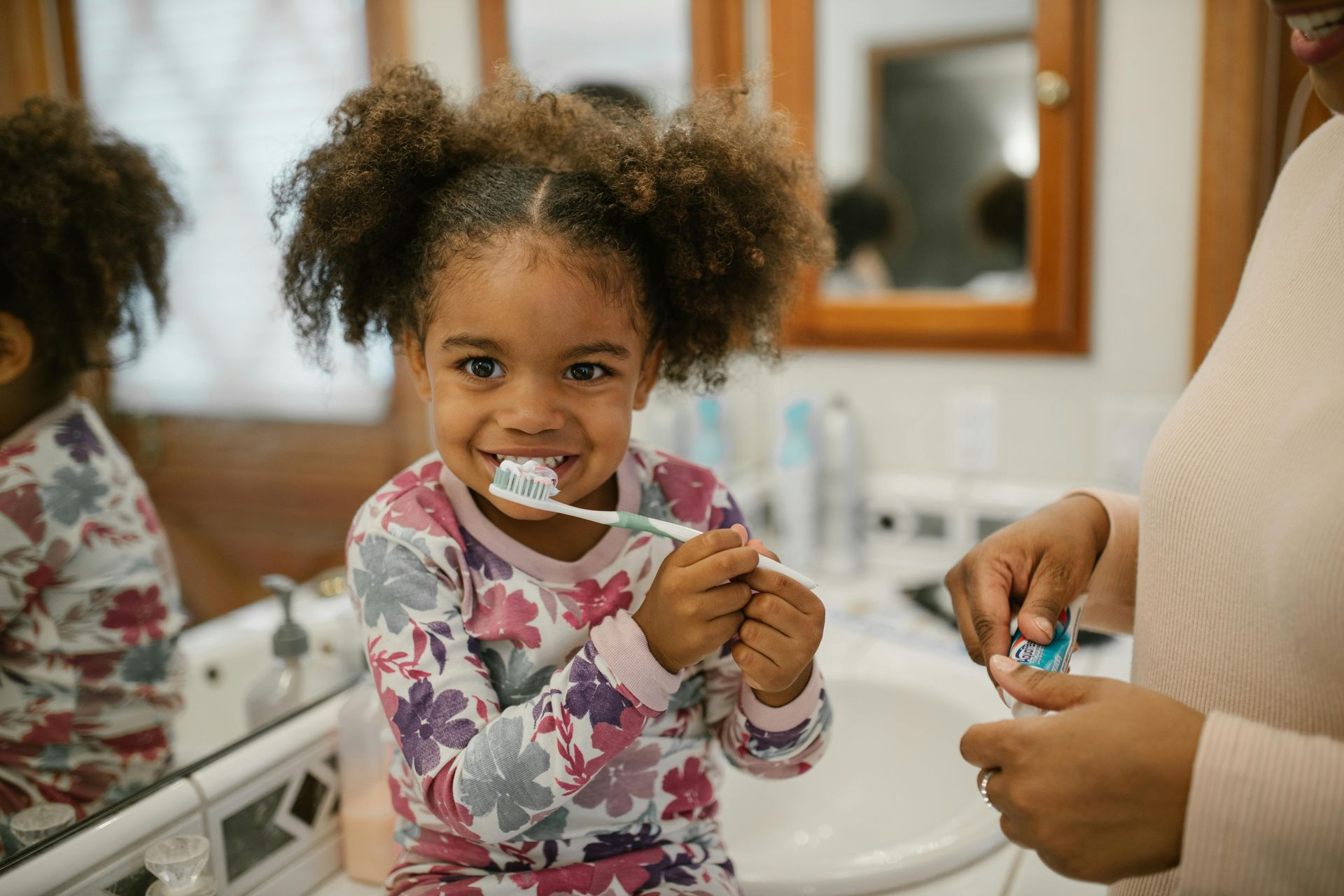
Our specialized Occupational Therapists have extensive experience helping your child improve their fine motor skills to accomplish life’s daily activities or the “occupations of childhood”, such as dressing, self-feeding and tooth brushing. Sensory integration is especially implemented decrease sensory aversions and to improve focus on tasks. Our Occupational Therapists focus on developing independence through a variety of creative and child-friendly learning activities. We assist kids in Georgia with comprehensive virtual occupational therapy services.
Occupational Therapy Parameters:
- Play & Socialization
- Organizing & Planning Motor Skills
- Self-care & Hygiene
- Adaptive Equipment Modifications
- Sensorimotor Skills
- Sensory Processing Integration
- Visual Motor Integration
- Visual Perceptual Skills
- Fine Motor Control & Coordination
- Social and Peer Interaction Skills
- Executive Functioning Skills
- Handwriting
- Upper-Limb Coordination
PEDIATRIC OCCUPATIONAL THERAPY FAQ
What is occupational therapy via telehealth?
Telehealth occupational therapy helps children develop functional skills needed for daily life—such as fine motor skills, sensory processing, self-regulation, and independence—through live virtual sessions with a licensed occupational therapist.
How does occupational therapy work virtually?
Telehealth OT is highly interactive and activity-based. Therapists use everyday household items, movement activities, visual supports, and parent coaching to address goals in the child’s real-life environment.
What skills can telehealth occupational therapy address?
Telehealth OT can support:
- Fine motor skills and handwriting
- Sensory integration and sensory regulation
- Emotional regulation and coping strategies
- Attention and executive functioning
- Daily living skills (dressing, feeding routines, organization)
- Visual-motor and perceptual skills
How is feeding therapy addressed through telehealth?
Feeding-related goals within our telehealth model are typically addressed by occupational therapy and focus on:
- Positioning and postural support during meals
- Sensory integration related to feeding (tolerance of textures, tastes, smells)
- Expanding food repertoire through exploration and exposure
- Self-feeding skills such as utensil use, pacing, and independence
Therapy is conducted using the child’s own foods, utensils, and mealtime environment, with a strong emphasis on parent coaching and carryover.
*Swallowing concerns are not addressed within telehealth speech therapy. If swallowing or medical feeding concerns are identified, appropriate in-person referrals are made.
Who is telehealth occupational therapy best for?
Telehealth OT is especially beneficial for children who:
- Experience sensory processing or regulation challenges
- Have feeding concerns related to sensory tolerance or self-feeding
- Learn best within daily routines and environments
- Benefit from caregiver involvement and coaching
- Need flexible access to therapy services
Is telehealth occupational therapy effective?
Yes. Telehealth OT is highly effective because therapy occurs in the child’s natural environment, allowing strategies for regulation, feeding routines, and independence to be practiced immediately.
What ages are appropriate for telehealth OT?
Children of many ages benefit from telehealth OT, particularly when a caregiver is present to assist with activities and reinforce strategies.
Do I need special materials at home?
No specialized equipment is required. Therapists primarily use common household items and provide guidance as needed.
Will parents need to assist during OT sessions?
Yes. Caregiver participation is essential to support activities, sensory regulation strategies, and feeding routines between sessions.
How often will my child receive occupational therapy?
Therapy frequency is determined following an evaluation and is individualized based on your child’s needs, goals, and sensory and functional profile.
Who We Treat For Occupational Therapy
- Fine motor and visual-motor delays
- Sensory processing and regulation challenges
- Difficulty with self-care and daily living skills (feeding, dressing, grooming)
- Attention, executive functioning, and motor planning challenges
- Autism spectrum disorder
- Down syndrome
- Developmental delays and coordination challenges
Our Speech Therapy Approach
- Use household items and everyday tools
- Engage in hands-on, play-based activities
- Participate in movement and regulation breaks
- Practice daily living and self-care routines
- Engage caregivers as active partners in therapy
Why Families Choose Our Virtual Occupational Therapy

- Therapy delivered in your child’s real-life environment
- Licensed pediatric occupational therapists
- Focus on functional skills and independence
- Family-centered, collaborative approach
- Convenient access without travel